

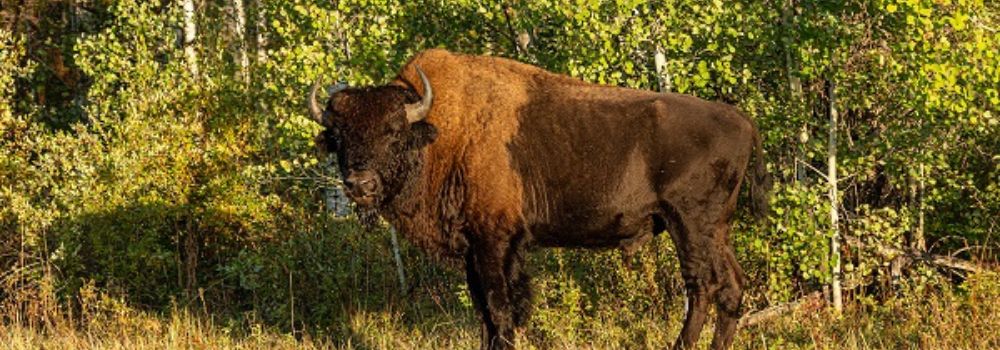
Tatanka
One autumn, we made the long journey north into Wood Buffalo National Park, traveling through remote stretches of Alberta and into the Northwest Territories in search of the mighty wood bison.
The drive itself was part of the experience.
Miles and miles of open, quiet land stretched before us—vast, untouched, and seemingly empty. At times, it felt as though we were alone in a landscape that had been unchanged for centuries.
And then…a sign of life. Bison tracks. Droppings scattered along the road.
Small details, but enough to ignite hope.
Out here, even the smallest sign means something.
As we continued deeper into the park, the anticipation grew. Every dark shape on the horizon caught our attention. In this wide-open landscape, these massive animals can be spotted from miles away as they graze along the roadside.
And then, finally… there they were. Powerful. Grounded. Unmistakably wild.
Wood bison have roamed this land for thousands of years—surviving shifting climates and changing landscapes. Once widespread across Alaska and northern Canada, their numbers were pushed to the brink by overhunting, habitat loss, and disease.
In 1922, Wood Buffalo National Park was established to protect the last free-roaming herd.
And standing there, watching them move across the land… you feel that history.
This is the largest remaining undisturbed grass and sedge meadow ecosystem in North America—a place where these animals still live as they always have.
Though we arrived too early for the fall colors, what we experienced felt far more profound.
Seeing these immense animals—known as “Tatanka” in Lakota tradition—moving freely across the landscape they still call home… Was something we’ll never forget.
- Stan Masters
To download the story CLICK HERE
Read more
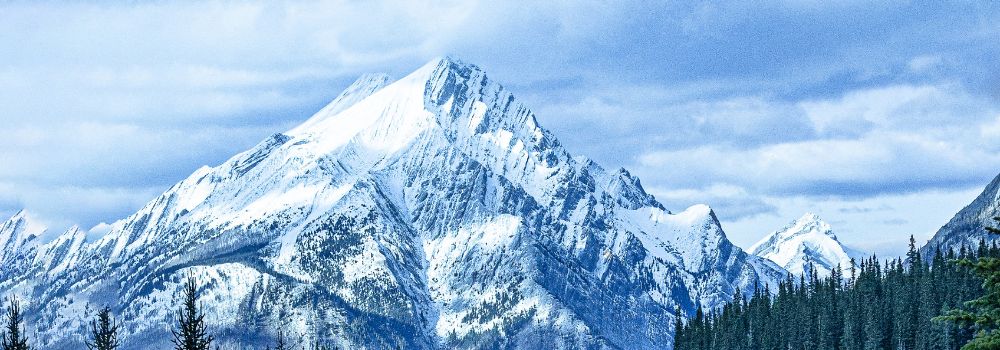
A peaceful autumn evening in Kananaskis Country reveals the calming beauty of Smut Creek and Mount Nestor, captured through soft, cool tones and shifting light.
Read more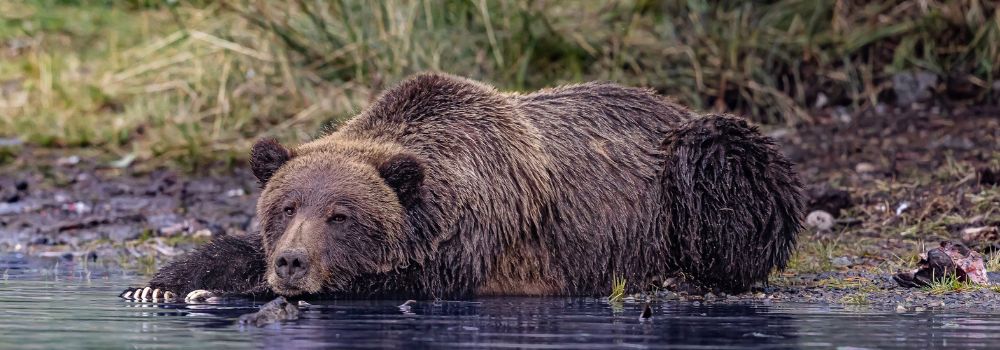
From burying salmon for her cubs to resting in the current, “White Claws” revealed the raw beauty and rhythm of life in the wild.
Read more
Leave a comment
This site is protected by hCaptcha and the hCaptcha Privacy Policy and Terms of Service apply.